
Intro #
In December 2023 I purchased a Hero Universal Microchip Scanner to be able to scan pet microchips as part of rescue operations. In August 2026 the $300 scanner had been used 20 times successfully before it stopped detecting microchips. The device fell outside of the 1 year warranty and BuddyID, the company listed on the device for technical assistance, called the issue a defect but was unable to assist beyond offering a $50 discount off the purchase price of a new device.
This is my experience with the Hero microchip scanner covering a review of my initial use, troubleshooting, disassembly, and a closer look at how the device changed between its 2017 FCC certification and the unit I purchased in 2023.
Initial usage / Review #
Initially the device worked great. The scanner advertises as being universal and reading “9, 10, and 15-digit microchips from any company”. This was really helpful the few times we found stray pets and needed to check for microchips without knowing what kind of microchip they may have had. The device was also generally pretty quick to pick up on microchips if they were present.
There were some things I didn’t like though:
- There is a loud sound when using the scanner which can startle pets, especially strays.
- Scanned microchips disappear from display if the button is pressed again accidentally, with no history available. Some alternative scanners have a timestamped history functionality as a feature.
My Hero scanner was used 20 times successfully over 2.5 years before it stopped detecting microchips. In that time the device was used lightly in optimal conditions: It was stored indoors and it was not exposed to water or extreme heat.
“For Technical Assistance” #
In the failed state, the device would turn on, but no microchip would be detected. The Hero microchip scanner comes with a test microchip for exactly this purpose but the scanner could not detect the test microchip, any of my pets, or ~15 cats at a local rescue. The device would show ‘Scanning’ on the display but never detect a microchip. I tested using a new battery without success.
The back of the device advertises a number “For Technical Assistance” which I called taking me to BuddyID–a subsidiary or part of Microchip Identification System (MIDS). After explaining the issue I was asked to provide a video of the failed state of the device via email which I did the same day.
Via email, the customer service was quick to tell me that the product has a 1 year warranty and I was out of warranty so they could not offer a replacement but they did extend an offer for a $50 discount off purchase price on a replacement. I had not asked for a replacement and instead was hoping for assistance in troubleshooting the device.
Over subsequent emails I asked a few technical questions in my attempt to troubleshoot the device. Some of these questions included asking for a technical contact who may be interested in the failed state of the device, how to open the device without damaging it, and more generally any advice on how to evaluate the functionality of the RF chain (the series of components responsible for the radio frequency signal to detect microchips). Subsequent responses from BuddyID apologized for the defect (their words) but did not answer any technical questions and continued to offer a discount on a replacement which I ultimately declined. While I appreciate they were willing to offer a discount on a device outside of warranty, I did not have confidence in a new device to be worth an additional $250 cost to me.
A later email reply from BuddyID, after I had sent photos of the disassembled device, stated “Because of the condition of the unit, we are unable to determine whether the internal issue occurred as a result of a manufacturing defect or during the process of opening the device.” BuddyID also clarified that their technical assistance is “not equipped to troubleshoot or repair internal components, circuit boards, solder connections, or other internal hardware. We also cannot provide instructions for disassembling the scanner.”
While I can understand this position to some extent, my whole intent for reaching out to BuddyID was to provide useful feedback to their technical team (improve future iterations of the product) and to repair my device. While it’s clear they were unable to assist with my repair, they also did not seem to care about learning more about the failed state of the device and how to improve the product. My scanner failed under light use in optimal conditions which I had hoped would’ve been interesting to them. I also would have been willing to send the device with no expectation of receiving it or a replacement back if they had just asked or shown interest in understanding why the device failed.
Disassembly #
If you are within the warranty period, then disassembling the scanner will potentially void the warranty. By design, the Hero Microchip Scanner cannot be taken apart without visible signs of it having been opened.
Since BuddyID made it clear that my Hero microchip scanner was outside of warranty and that they cannot help troubleshoot the device or answer my question on how to open the device, I attempted to repair the device on my own.
First, I looked up the FCC Filing for the product where I found several low-resolution images of the internal components of the board. This filing is referenced on the back of the device: FCC ID: 2AKVC1001.
The FCC Filing is under Grantee Code 2AKVC for Alliance ID. Alliance ID is a division of MIDS that “provides the officially approved products you need” (MIDS “FAQ”, archived). As of August 2026 the MIDS website points to BuddyID for pet microchips, and separately the BuddyID about page describes MIDS as their parent company (BuddyID.com “About”, archived). Additionally, BuddyID’s site footer refers to BuddyID as a Microchip Identification System. This indicates that both Alliance ID and BuddyID are divisions of MIDS, and as of 2022 MIDS is now part of the Revival Animal Health Company (Revivalanimal.com “Our Story”, archived).
The main thing I was looking for with the FCC filing was a general understanding of the internal components as well as any insight into how to open the device. At this point I had removed two screws from the battery compartment but the top edge of the device would not open. The internal photos from the FCC filing showed a locating boss which connected the top and bottom halves of the enclosure.
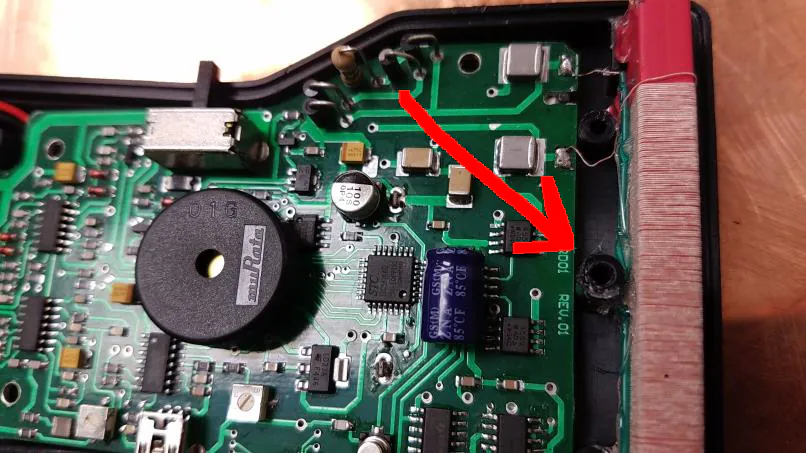
I had initially assumed the two halves snapped together since no visible screw was found on the exterior. When I looked inside my device I found that a lot more hot glue had been used than in the internal photos. This led me to think that additional force was needed to separate the pieces. Getting a clear look or photo was difficult since the device had to be pried open from one side, but this is what I was looking at:
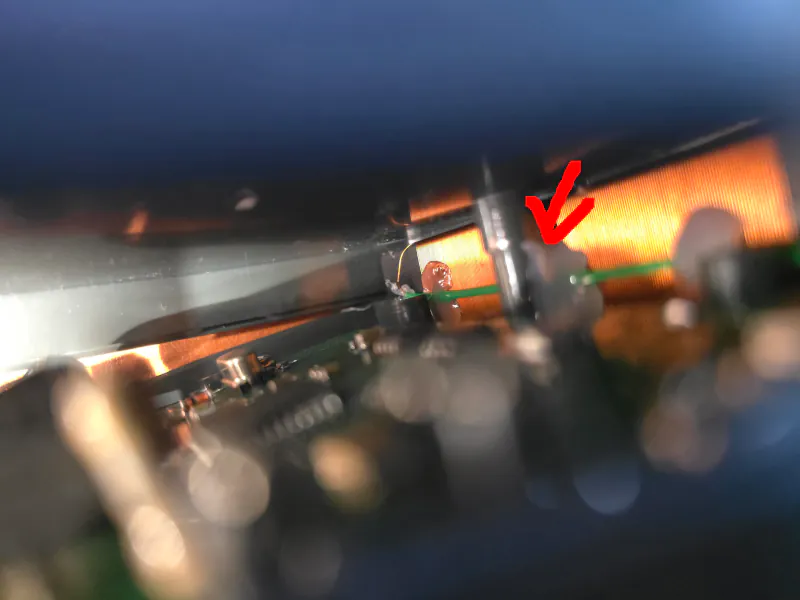
Without being able to find any disassembly information, no warranty, and no assistance, I was left with trying to forcibly open the scanner. Before I had exerted enough force to open the device, I heard a crack–The screen broke.
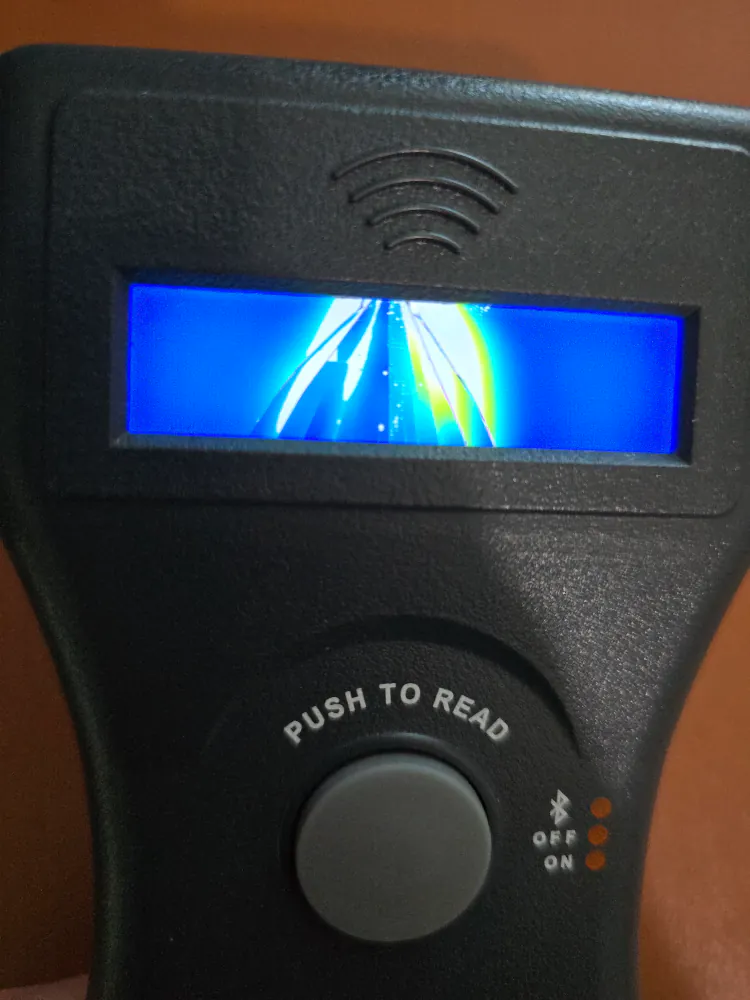
Committed at this point, I exerted enough force to break the two halves apart to reveal a screw underneath the product branding. I estimated where the screw was located and pressed through the product label with my screwdriver. The screw would not come out though until after I had scratched all of the label from around the screw head.
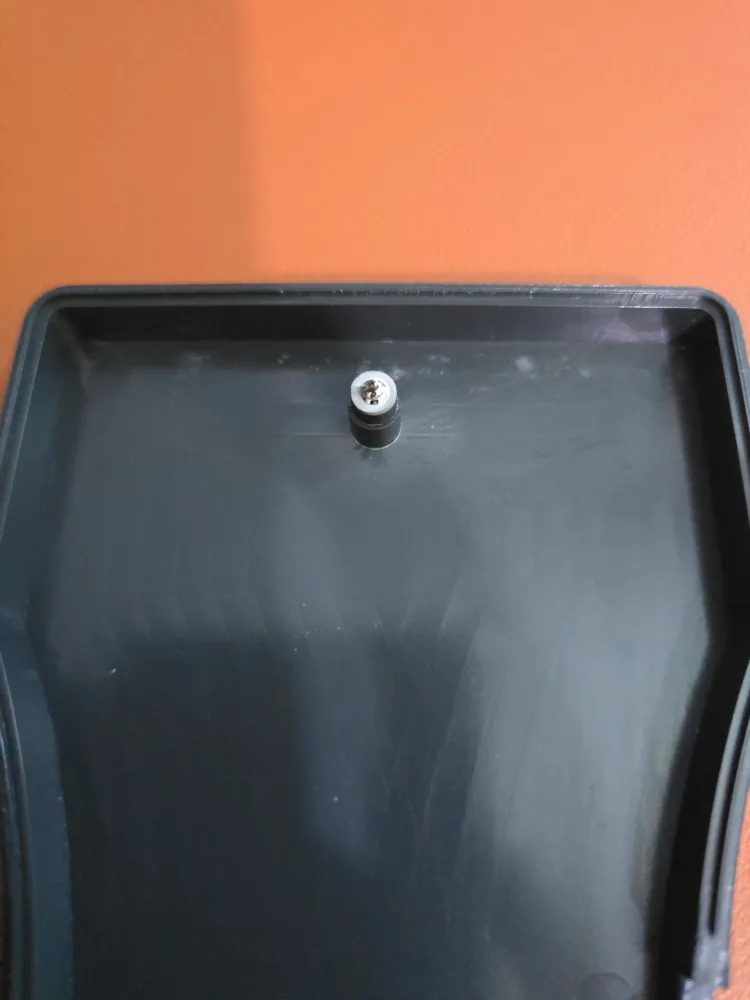
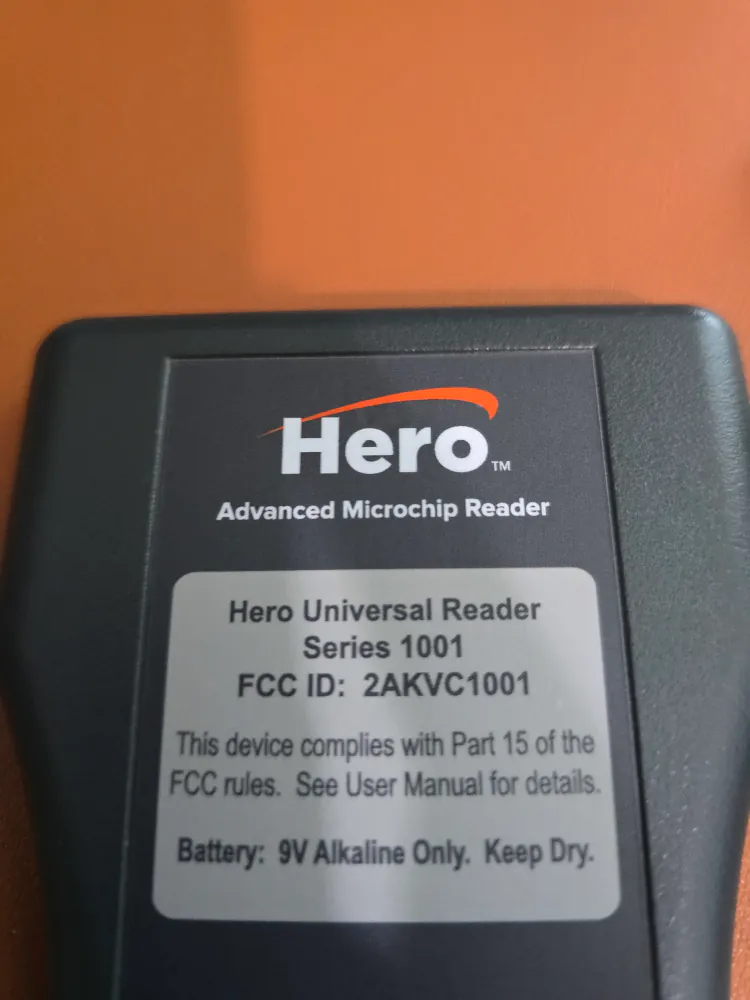
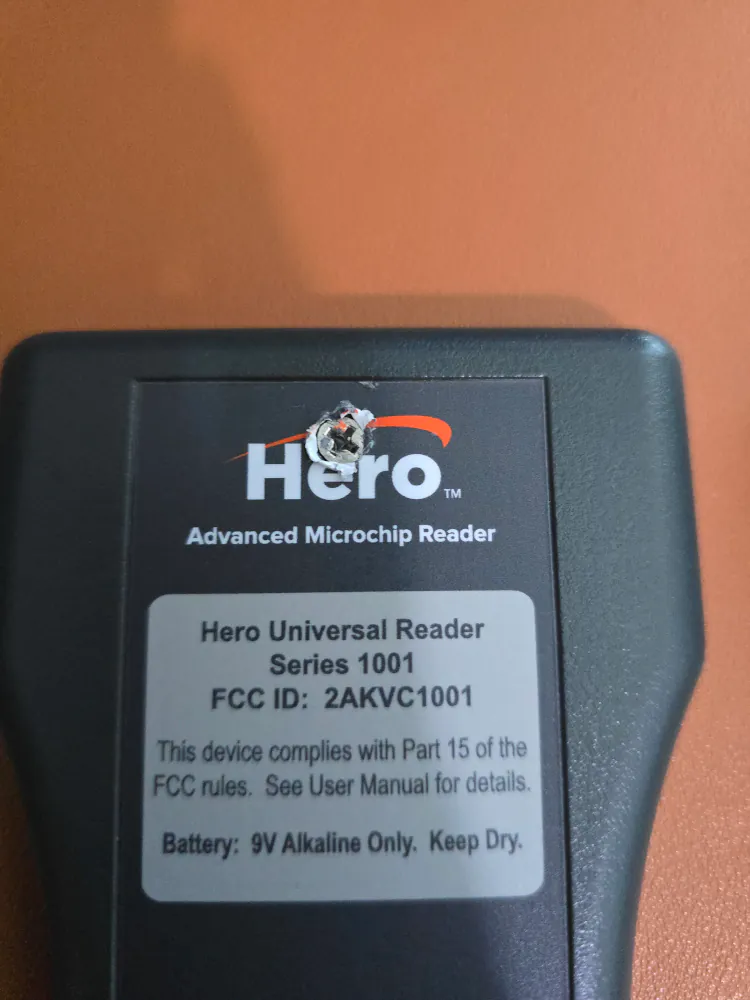
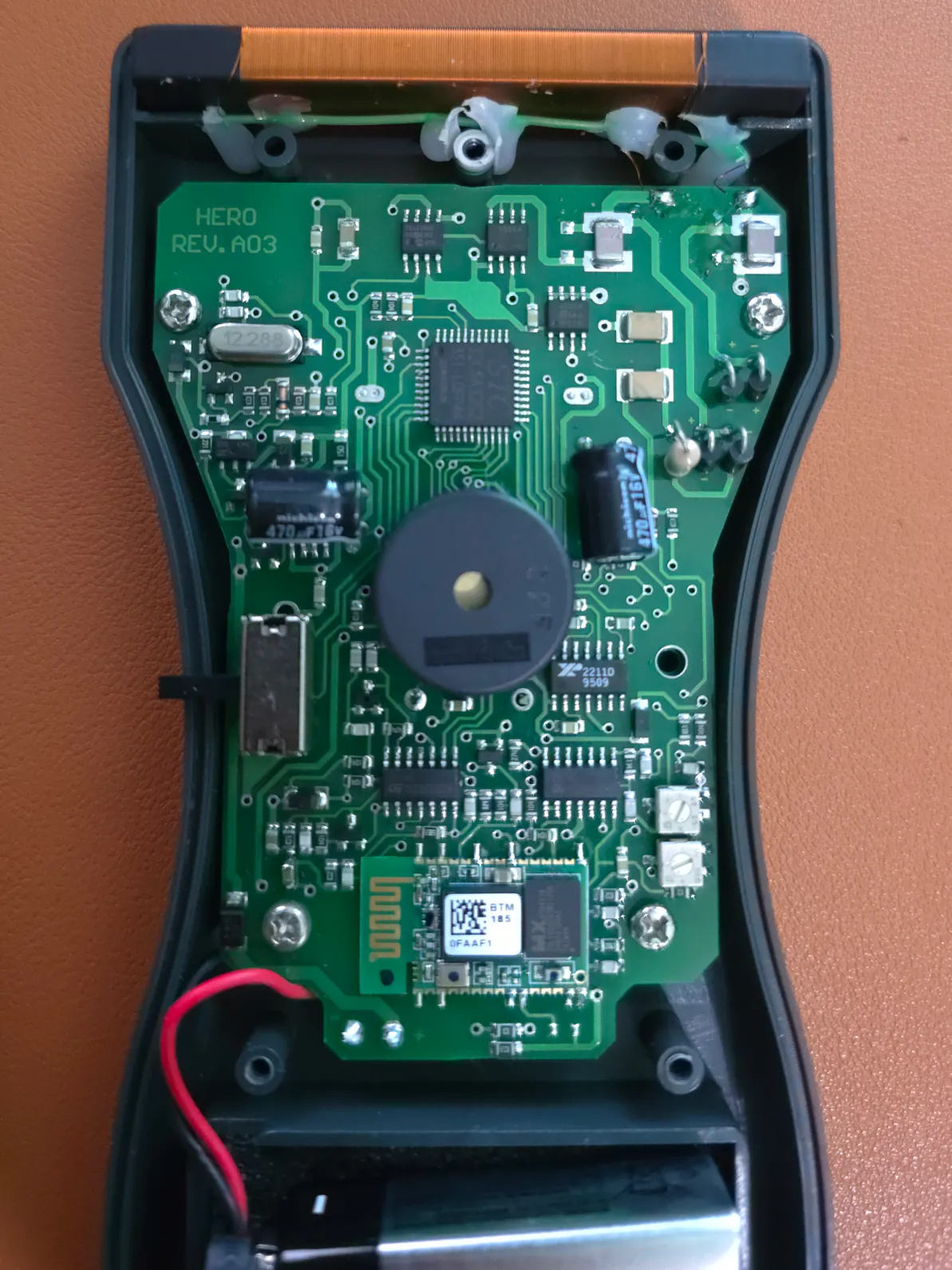
In retrospect, I probably should have known that the boss took a screw to attach the two halves which would’ve avoided breaking the screen. With the two halves separated I was now able to see inside the device. Here are some additional photos in case they are helpful to someone:
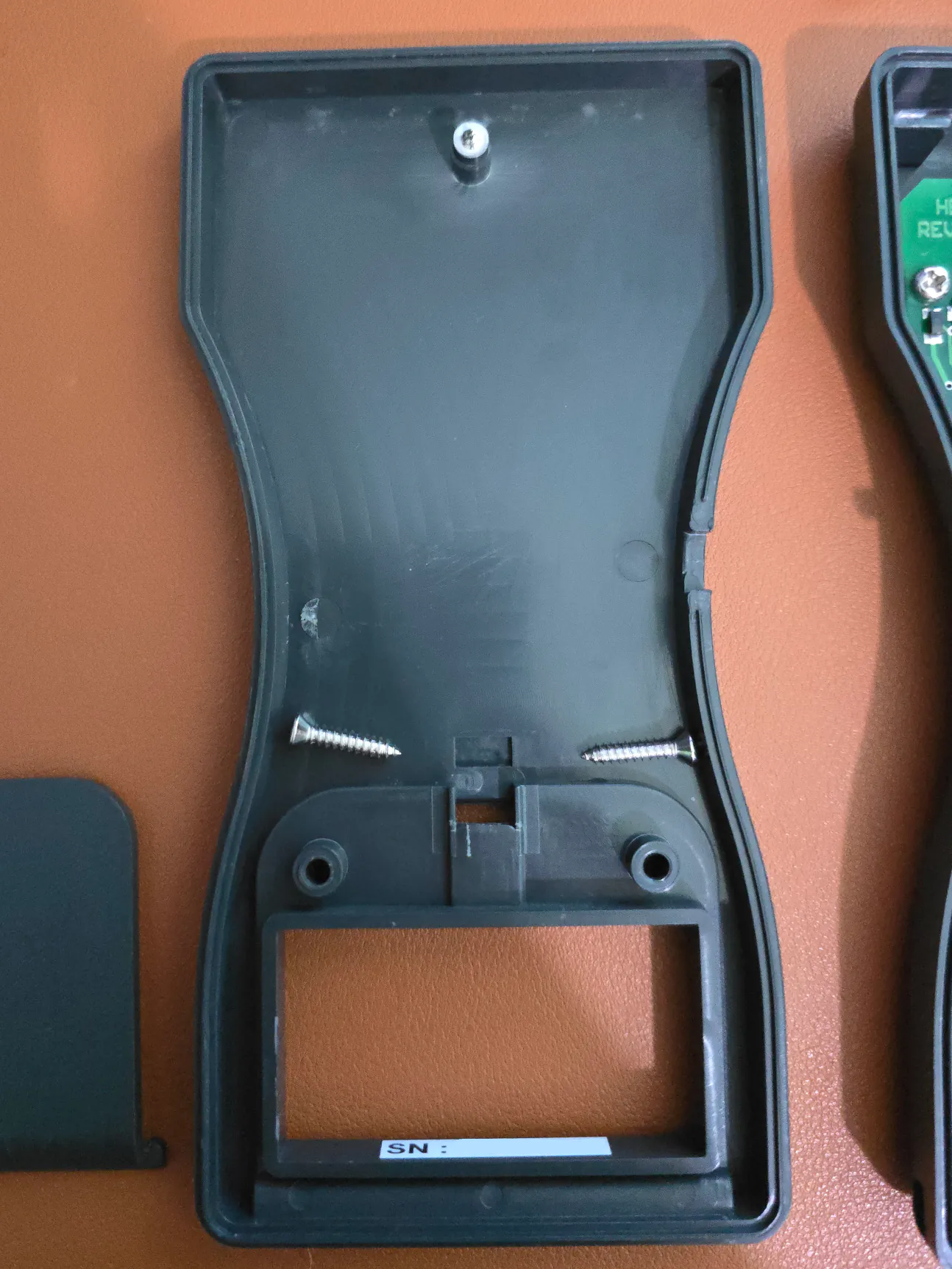
Higher resolution (2.0MiB)
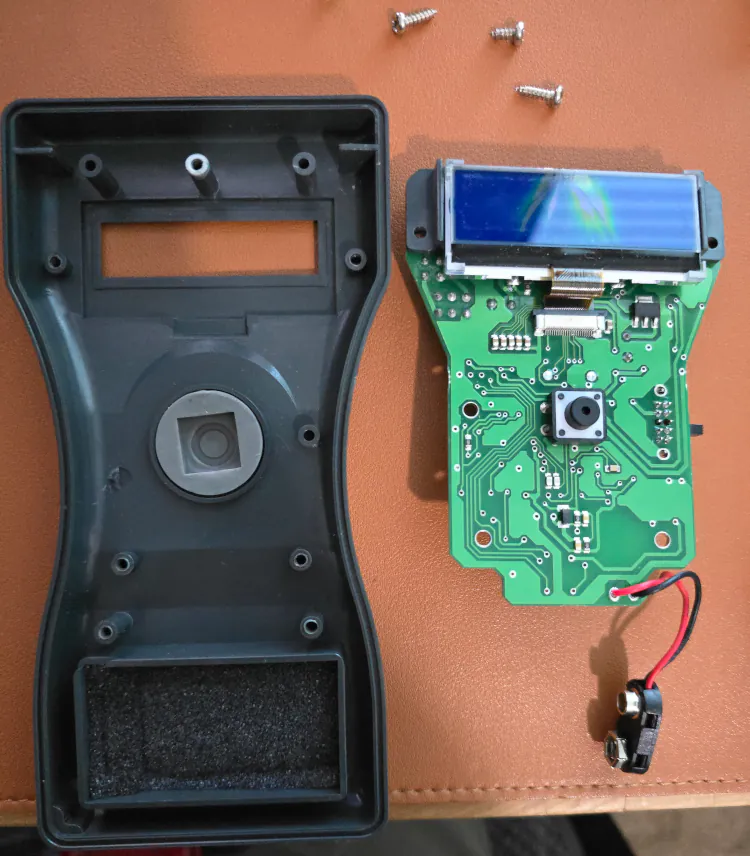
Higher resolution (1.2MiB)
Troubleshooting #
With the device taken apart, I looked for issues. The coil wires were still hot glued securely into place but both ends of the wire had been broken from their solder point.
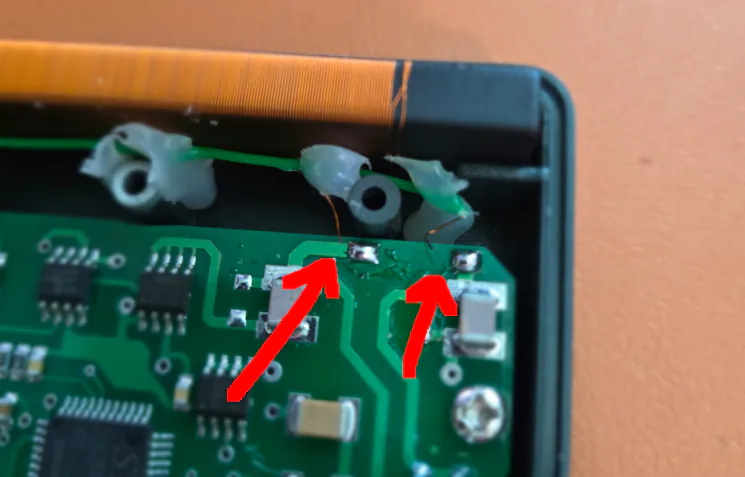
One complication was that the coil wires were now too short to reach their solder points. This seemed to indicate that the connection to the printed circuit board (PCB) was very tight prior to the connections breaking. To resolve this I cut away the hot glue to free the wires which gave the little extra length needed.
While the screen was broken, the scanner does have a bluetooth mode which sends the microchip numbers to the connected device. Using the bluetooth mode I attempted holding the coil wires in place while scanning the test microchip. The scanner failed to pick up the microchip.
It is not clear if the coil wires were already broken free prior to the forced disassembly due to the extreme tightness (and forced disassembly broke another part of the RF chain needed to detect the microchips), or if the initial root issue was something other than the coil wires (and the coil wires were broken free during forced disassembly). Either way, the device still turns on, and sounds normal but continues to be in a failed state as it did prior to the forced disassembly.
Unfortunately, additional troubleshooting is beyond my current capabilities without guidance, schematics, and/or spare parts so I was unsuccessful in repairing the device. I had hoped soldering the coil wires back in place would have been enough to restore functionality but this was not the case.
A Case for the Right to Repair #
The Right to Repair is the legal right for an owner to repair, modify, or upgrade their own equipment. Not all regions have Right to Repair laws, and even for places that do have these laws there is some variation between them but the core concept is that a consumer should be able to have access to parts, manuals, and tools necessary to maintain and repair equipment.
The Hero Universal Microchip Scanner is a good example of why the Right to Repair is important:
- BuddyID’s customer service stated the company is “not equipped to troubleshoot or repair internal components, circuit boards, solder connections, or other internal hardware”. In-warranty support will replace rather than repair devices.
- There is no disassembly info in the owner manual or on manufacturer website.
- The device was not designed to be opened without visible damage to the device which could be used to void the warranty in regions without a Right to Repair law.
- The FCC filing for the product had a Confidentiality Request to keep the Parts list and Schematics non-public making self-repair more difficult.
- The individual parts cannot be purchased from manufacturer.
In totality this leads to a situation like mine where a $300 device fails outside of the 1 year warranty and the only option I am given is to purchase a replacement item which just creates additional electronic waste and would be more expensive than supported repairs. This is exactly the kind of problem Right to Repair laws aim to remedy by providing consumers certain legal rights to maintain and repair their equipment.
BuddyID/MIDS operate within the United States and sell their devices to states with Right to Repair laws but it is not clear that any specific Right to Repair law has been broken. For example these Right to Repair laws like California’s SB-244 or Colorado’s HB24-1121 have language that exempt devices first manufactured and/or first used in the state prior to a date like 1 July 2021 (California/Colorado). This appears to be intended to not place undue strain on businesses for existing, older devices but sets the expectation going forward.
Due to differences in laws between regions, this discussion will be focused on California’s Right to Repair law.
Under CA SB-244, products manufactured for the first time, and first sold or used in California after 1 July 2021, then those products with $100+ wholesale value are required to:
[…] make available to owners of the product, service and repair facilities, and service dealers sufficient documentation and functional parts and tools, inclusive of any updates, on fair and reasonable terms, to effect the diagnosis, maintenance, or repair of a product for at least seven years after the last date a product model or type was manufactured, regardless of whether the seven-year period exceeds the warranty period for the product. (CA PRC § 42488.2(b))
There is also a 3 year timeframe for devices with wholesale value of $50 to $99.99 likely not applicable here based on the retail price of the Hero Universal Microchip Scanner currently listed at $300.
CA SB-244 further then defines “Documentation”:
(2) “Documentation” means any electronic or appliance product manual, diagram, reporting output, service code description, schematic, or similar information that is provided by a manufacturer to an authorized repair provider, or that is for use by the manufacturer if the manufacturer does not have any authorized repair providers, for purposes of effecting the services of diagnosis, maintenance, or repair of the electronic or appliance product. (CA PRC § 42488.2(j)(2))
These, along with the rest of the Right to Repair statutes, give a strong foundation for consumers to be able to repair their devices.
For my device timeline, the FCC filing for the Hero Universal Reader Series 1001 is listed as 2AKVC1001 which currently indicates the Final Action Date as 1 March 2017 which would predate the Right to Repair law in California. However, during my initial troubleshooting emails to BuddyID one of the offers for discount was characterized by BuddyID as:
[…] I sincerely apologize for the defect but upgraded the scanner in 2023 so it will be a much better quality.
The word “upgraded” is significant here. The Electronic Code of Federal Regulations (eCFR) covers changes in certified equipment under 47 CFR § 2.1043 which covers three classes of permissive changes without requiring a new application for certification. While BuddyID did not specify what changes were made with the upgrade, I was able to compare the FCC filing photos against my device’s PCB and found some notable differences:
- My device was purchased in December 2023 and indicates a ‘Rev.A03’ on the board, compared to ‘Rev.01’ shown on the certified sample. This suggests my device is the third revision of the PCB.
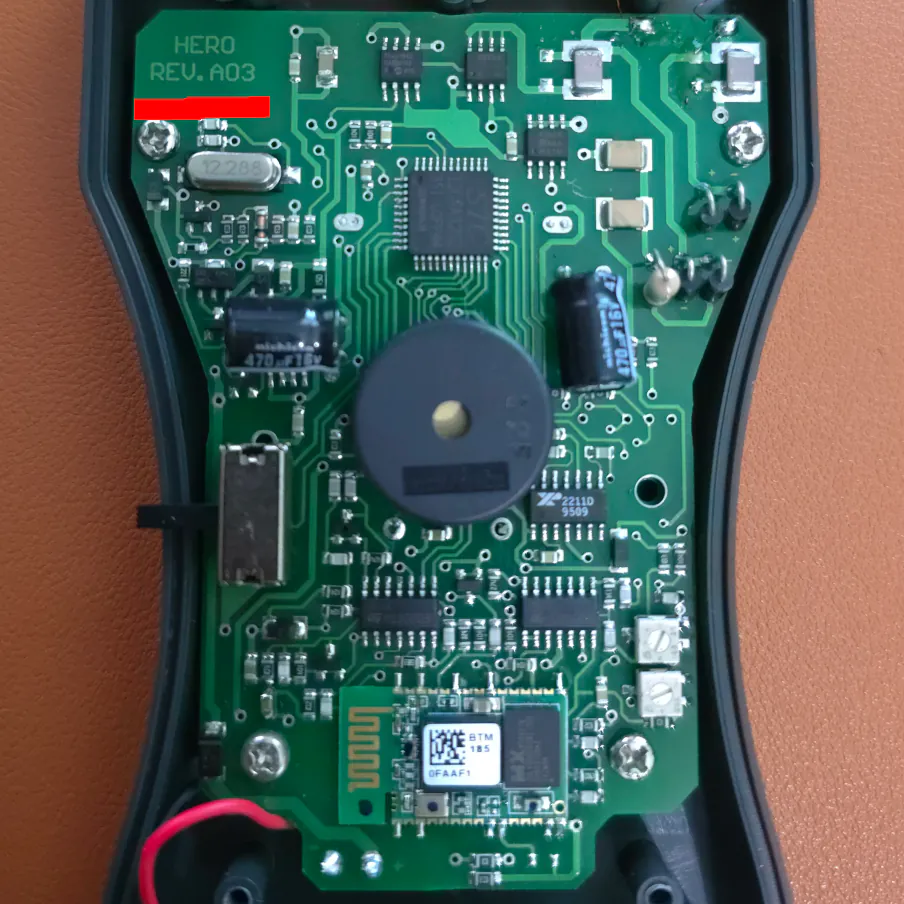
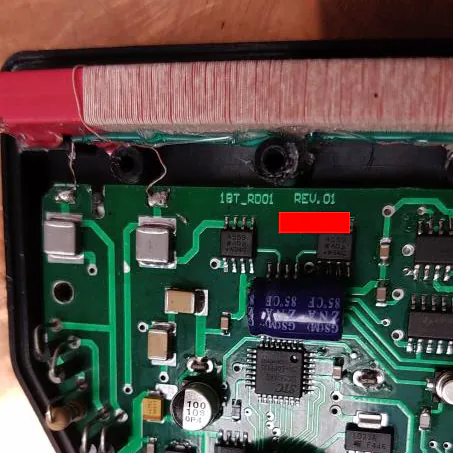
- Rev.A03 shows an added chipset at the bottom of the PCB which does not appear to be present in the certified sample (Rev.01). Specifically, this appears to be a bluetooth module.
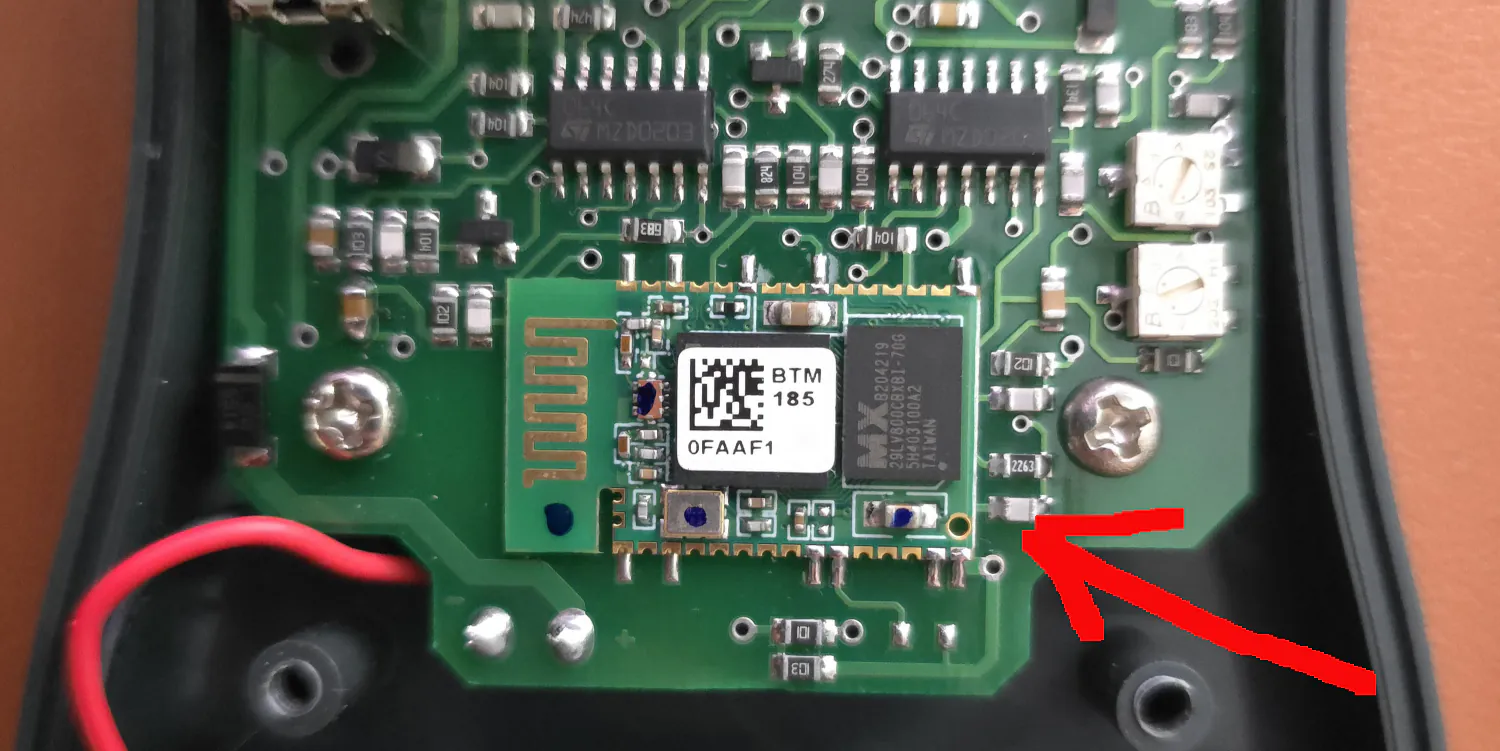
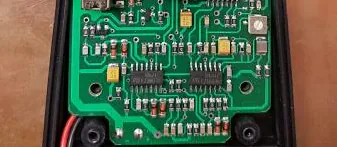
- Rev.A03 has two large capacitors of similar size. Rev.01 has one large capacitor and one smaller capacitor. Due to the low quality of the FCC filing photos it is difficult to determine the exact specifics of the Rev.01 capacitors, however, it is clear that these changed between revisions.
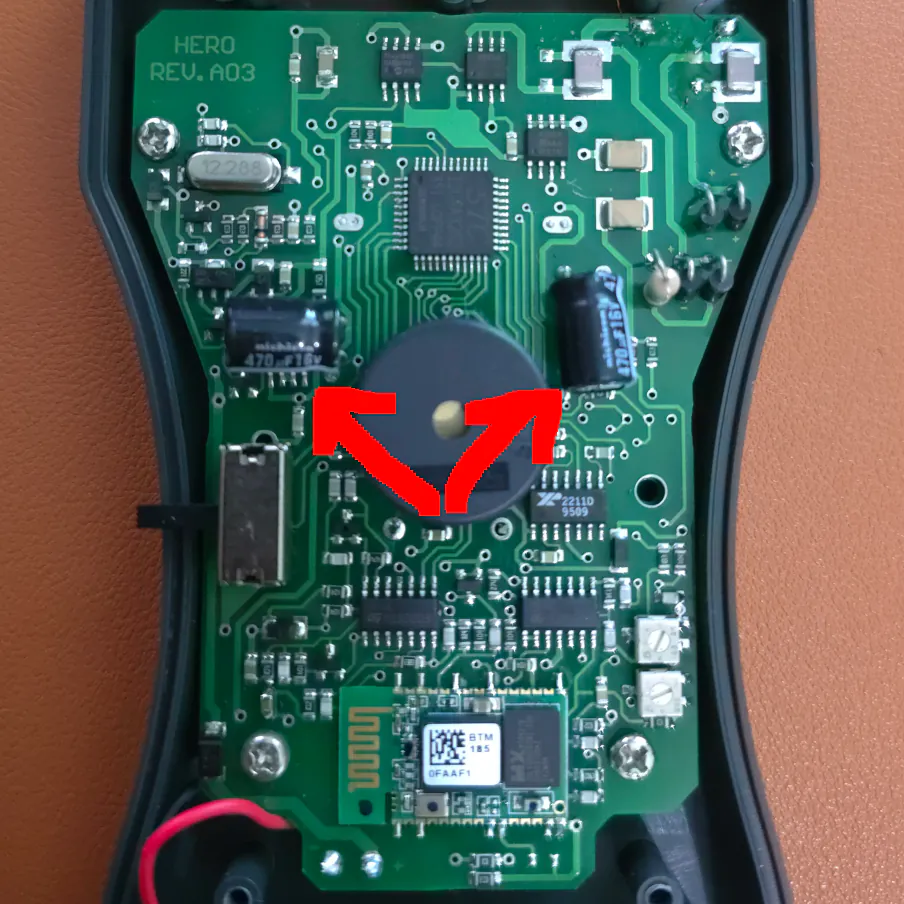
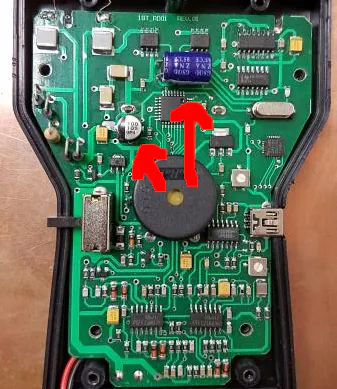
- Rev.A03 does not have a USB port, but the certified sample (Rev.01) did have a USB port.
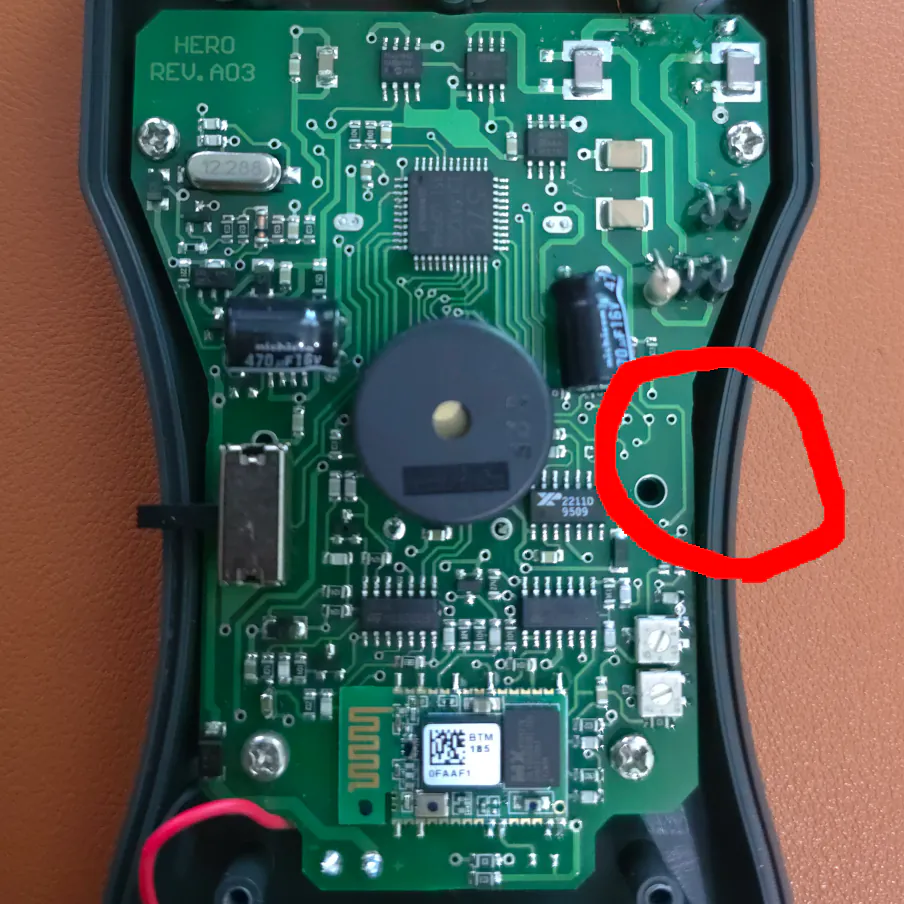
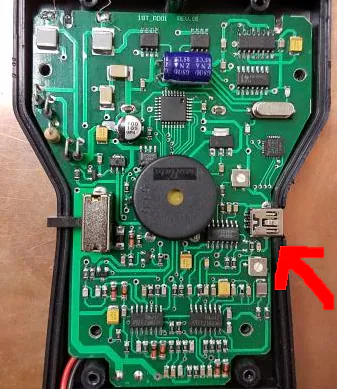
Some of these changes are more significant than others, but they highlight some tension in what kind of revisions are allowed under existing products to not be considered a newly manufactured product from the ‘Right to Repair’ statute perspective. For instance, California’s Right to Repair law (SB-244) uses the phrases “product model or type” and “manufactured for the first time” but does not define how this applies to a revision, upgrade, or hardware change if it is still sold as the same “product model or type”.
It is clear that at least some changes were made to the Hero Universal Microchip Scanner between revision 01 and revision A03, but it is not clear what changes were made specifically as part of the 2023 “upgrade” and if those changes would be significant enough to be treated as a newly manufactured “product model or type” subject to California’s Right to Repair law. Due to the limited information available regarding the hardware revision timeline and the gap in statute definitions, this is an open question rather than something I can answer.
The Bluetooth Question #
Beyond the Right to Repair, I was also curious about whether or not these changes would be considered a permissive change to an existing FCC certification as defined by 47 CFR § 2.1043. The most interesting of these changes I observed between revisions is the addition of the bluetooth module because this is considered an intentional radiator and the internal photos of the certified sample from the FCC filing did not show a bluetooth module. Additionally, reviewing the owner manual and test report from the FCC filing shows there is no mention of bluetooth or bluetooth capability as of March 2017.
I searched microchipidsystems.com through the wayback machine and found an archived page from March 2018 advertising the ‘New’ Hero Scanner which did include bluetooth:
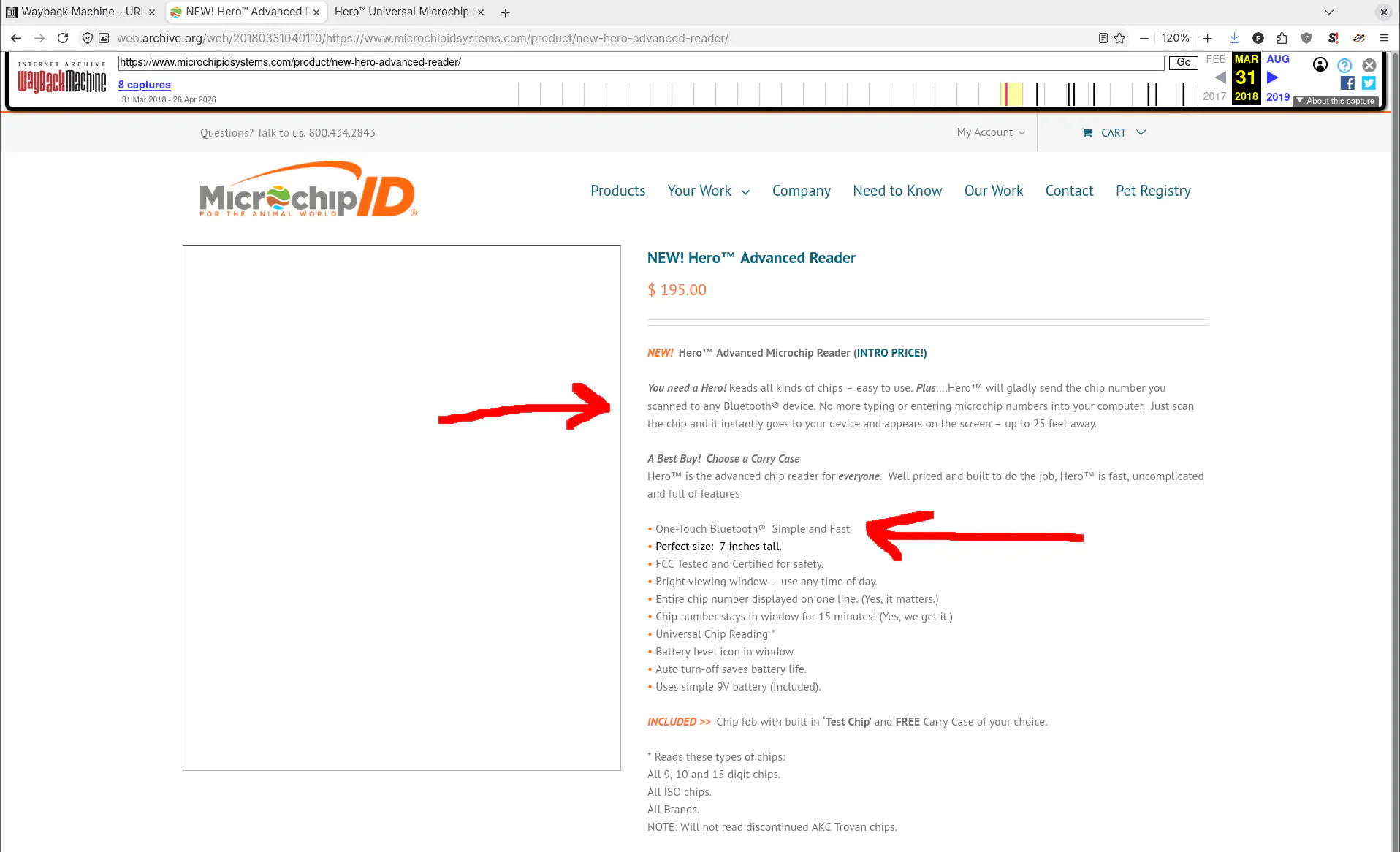
This establishes that sometime between March 2017 and March 2018 bluetooth was added to the Hero Microchip scanner. Since adding a new transmitter cannot be done through a permissive change to the existing FCC ID, the bluetooth module would need to be separately authorized either through:
- a certified modular transmitter. This would require the device to be relabelled to include a reference to the contained module, as per 47 CFR § 15.212.
- through a new device certification.
Since the device is still labelled under the 2AKVC1001 this suggests that there was not a new device certification received (I also was not able to locate an additional certification not referenced on the device–Specifically I searched for filings by product name, company names (BuddyID, Alliance ID, MIDS), and also via other products by these companies to identify what grantee codes they used and whether the Hero Universal Scanner had a new certification under any of them). Additionally, if the bluetooth module was certified separately as a modular transmitter, it appears that the Hero device was not relabelled to include reference to the contained modular transmitter. The device states “This device complies with Part 15 of the FCC rules. See User Manual for details” but I was unable to locate an updated owner’s manual to confirm if it referenced a modular transmitter ID. The 2017 manual from the FCC filing does not reference a secondary FCC ID. Note that even if a secondary FCC ID were in an updated manual, this does not remove the requirements to have the FCC ID on the device or electronically displayed by the device as per 47 CFR 15.212(a)(1)(vi).
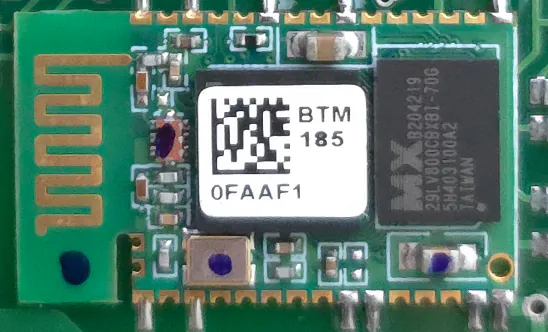
The specific bluetooth module on my device, purchased December 2023, is labelled as ‘BTM-185’ which I could not find an exact match for in an online search but did find very similar ‘BTM-182’ by Rayson Technologies. I removed the ‘BTM-185’ Sticker from my module to find what the chipset was labeled as and found it also was labelled as a Cambridge Silicon Radio (CSR) BlueCore4 chip which is the same type of chip used by the BTM-182 module. Additionally, both modules have an antenna on the left side, same form-factor and layout, and both use a flash memory chip on the right side though the memory chips differ.
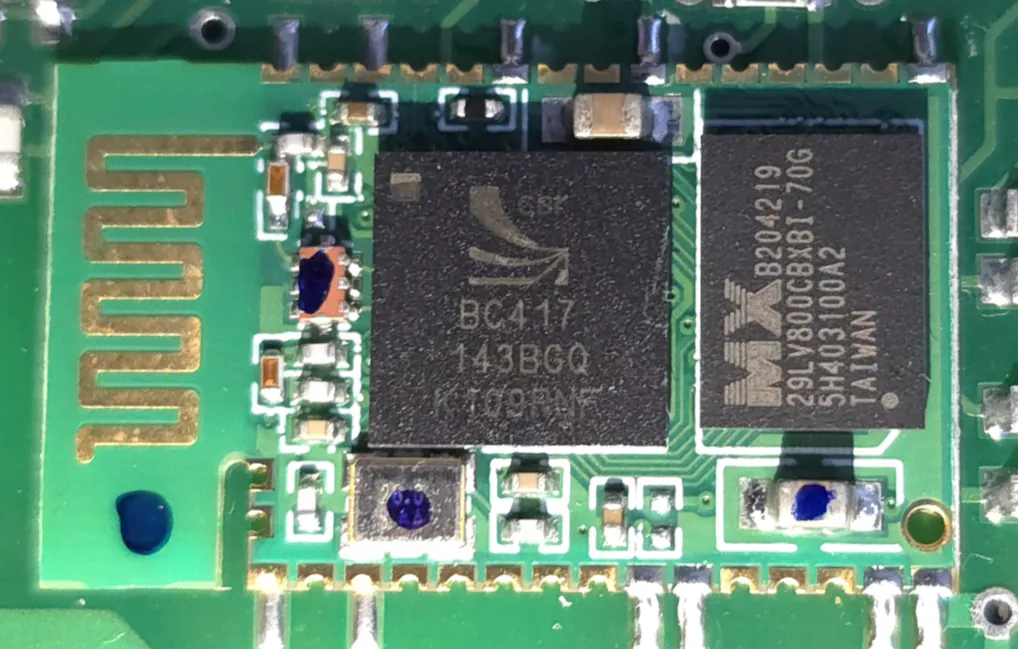
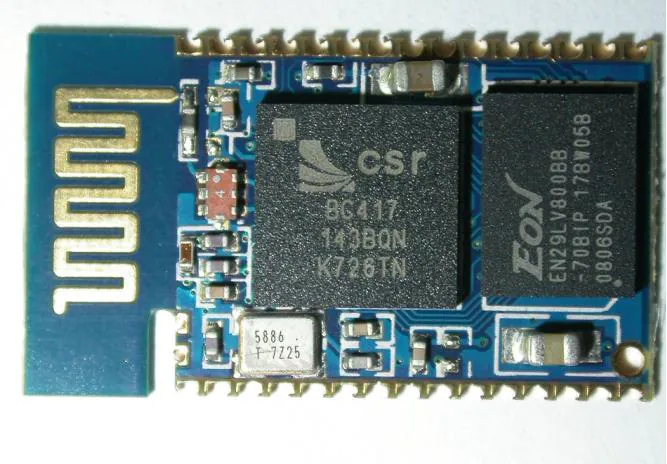
The CSR BlueCore4 Chip is a raw chipset which manufacturers like Rayson Technologies use to build modules. I was unable to locate a FCC certification for the CSR BlueCore4 chipset as a standalone component meaning the FCC Certification would need to come through the host device or certified modular transmitter.
Lastly, if the BTM-185 bluetooth module were an FCC certified modular transmitter it would need to display the FCC ID on the module itself or the host device would need to list the contained FCC ID. On my Rev.A03 device, neither is present. I also was unable to locate a FCC Certification for the BTM-185 bluetooth module when searching the FCC database under Rayson Technologies or by product number. Specifically, I reviewed the 20 FCC filings by Rayson Technologies under grantee code QWO which revealed no certification for any BTM-18x series module, and I also attempted to search by the product name. It is possible the BTM-185 module was certified under a different Grantee, however, if we look at the FCC filing for Rayson Technology’s BTM-970S submodule then the public filing shows that the FCC label is clearly shown on the module’s sticker whereas my BTM-185 does not:
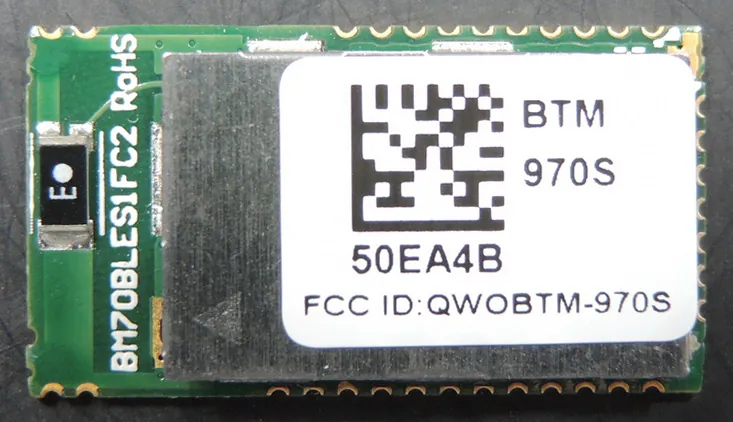
While I looked for FCC filings for the BTM-185 submodule, companies like Rayson Technologies are under no obligation to have submodules FCC certified as modular transmitters. Certifying a submodule as a modular transmitter just allows other manufacturers to incorporate it into finished products more easily.
At this stage of my research:
- I was not able to find evidence that the BTM-185 module was independently certified as a modular transmitter, but it has been established that even if it were FCC certified, the host device was not relabelled to list the FCC ID of the bluetooth module.
- The Hero microchip scanner continues to be marketed under the 2017 FCC filing ID and I found no evidence of an updated filing or product relabelling. The 2017 certification, tested with no Bluetooth capability, does not appear to cover the bluetooth module contained within my Hero Universal Microchip Scanner as sold to me in December 2023.
Taken together, it does not appear that the Bluetooth module was properly disclosed or authorized under the FCC’s framework. The device does state it “complies with Part 15 of the FCC rules” but the 2017 FCC Certification does not seem to cover the bluetooth module that was added afterward. None of this establishes non-compliance, it only reflects what I could and couldn’t confirm using public research and inspection of my own physical device (Rev.A03).
Conclusion #
The Hero Universal Microchip Scanner worked well during the time it functioned and for rescue work its wide range of supported chips and quick read speeds are great strengths. But a $300 device that fails after 20 uses over 2.5 years under optimal conditions left me with a device with no repair path, no documentation, and no support beyond an offer for a discount on a replacement. This makes it difficult for me to recommend the scanner.
I set out wanting to provide useful feedback to the manufacturer’s technical team and to repair my device. I was unsuccessful in both but I still wanted to share the disassembly and internal photos in case they help someone someday. I also thought having some dialogue about the Right to Repair would be useful to discuss how these situations create needless electronic waste. That discussion led me down a path of product revisions, upgrades, and whether or not these changes were within the scope of the FCC’s permissive changes. I’ve documented my research and welcome specific corrections, especially on the FCC compliance analysis.
In the meantime, I’ll be looking for alternative scanners for pet rescue operations.